
before you fund it.
- Overview sessions — get a deep understanding of how the business works
- Reports — detailed research and analysis on market, regulations, technical and financial aspects
- Location analysis — find the right location for your plant with deep data analysis across 4,000+ industrial areas
- RFQ tool — compare vendor quotes, find the missing points, and filter the right one for you
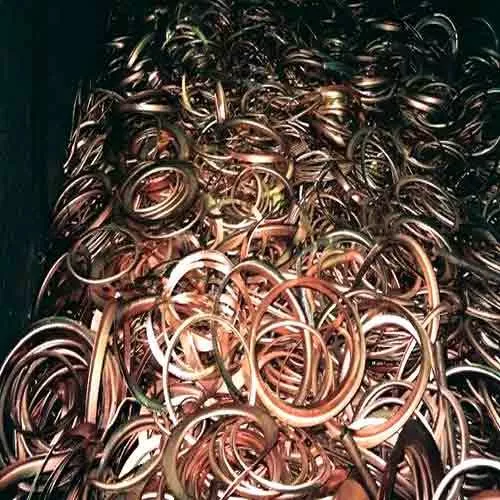
Non-ferrous Metal Scrap
Indian Scrap TradersIn the realm of waste management, the effective handling and recycling of non-ferrous metal scrap have emerged as crucial components of sustainable environmental practices. Non-ferrous metals, unlike their iron-rich counterparts, do not contain appreciable amounts of iron and are resistant to corrosion, making them essential for a wide range of industries. These metals, which include aluminum, copper, brass, lead, zinc, and others, are prized for their conductivity, malleability, and resistance to rust, rendering them invaluable in sectors like construction, electronics, transportation, and energy production.
The disposal of non-ferrous metal scrap poses both environmental and economic challenges. If improperly managed, these valuable resources can contribute to landfills and generate harmful pollutants. However, when managed with care and expertise, non-ferrous metal scrap can be transformed into a valuable commodity through recycling, reducing the need for raw material extraction, conserving energy, and decreasing greenhouse gas emissions. Consequently, waste management strategies that prioritize the collection, processing, and recycling of non-ferrous metal scrap play a pivotal role in the pursuit of a circular economy and the mitigation of resource depletion.
This introduction delves into the significance of non-ferrous metal scrap within waste management systems, highlighting its potential to foster sustainable practices, conserve resources, and minimize environmental impact. As industries and societies continue to grapple with the challenges of waste disposal and resource utilization, understanding the role of non-ferrous metal scrap becomes ever more critical in paving the way toward a more environmentally conscious and resource-efficient future.